
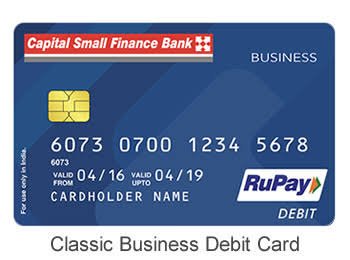
Understand the Difference Between Debit Card And Credit Card
Debit Card:
A debit card is a payment card that allows you to access funds from your bank account to make purchases or withdraw cash. The key feature of a debit card is that the money spent is deducted directly from the available balance in your bank account. Here are the main characteristics of a debit card:

1. Funding Source: Debit cards are linked to your checking or savings account with a financial institution. When you use a debit card for a transaction, the amount is immediately debited from your account balance.
2. Spending Limit: The spending limit on a debit card is determined by the amount of money available in your linked account. You cannot spend more than what is available in your account, preventing you from going into debt.
3. No Interest Charges: Since you are using your own money, there are no interest charges associated with using a debit card for purchases.
4. Fees: Debit card transactions typically do not incur interest charges, but some banks may have fees for certain types of transactions or usage.
5. Building Credit: Using a debit card does not contribute to your credit history, as it is not a form of credit extension.
6. Overdraft Protection: Some banks offer overdraft protection, which allows you to make transactions even if you don’t have enough funds in your account. However, this protection may come with fees.
Credit Card:
A credit card is a type of payment card that allows you to borrow money from a financial institution or credit card issuer to make purchases, with the agreement that you will pay back the borrowed amount later, typically on a monthly basis. Here are the main characteristics of a credit card:

1. Credit Limit: Each credit card comes with a credit limit, which is the maximum amount you can borrow. It is determined by the credit card issuer based on your creditworthiness and income.
2. Borrowed Money: When you make a purchase using a credit card, you are essentially borrowing money from the credit card issuer to complete the transaction.
3. Interest Charges: If you do not pay the full balance by the due date, you will be charged interest on the remaining balance. The interest rate is known as the Annual Percentage Rate (APR), and it can vary depending on the credit card and your credit history.
4. Minimum Payments: Credit card issuers require you to make a minimum payment each month. If you pay only the minimum, you’ll carry a balance, and interest will be applied to the remaining amount.
5. Building Credit: Responsible use of a credit card can help build your credit history, which is important for future borrowing, such as applying for loans or mortgages.
6. Rewards and Perks: Many credit cards offer rewards programs, cashback, or other perks, providing incentives for cardholders to use their credit cards for certain transactions.
7. Potential Debt: If you’re not careful with your spending and payment habits, credit cards can lead to debt accumulation and financial challenges.
In summary, the main difference between a debit card and a credit card lies in how the transactions are funded. Debit cards use the funds available in your bank account, while credit cards allow you to borrow money up to a certain credit limit, which you must pay back later with interest. Proper management of either type of card is essential to maintain financial stability and avoid potential debt issues.