
Mastering Your Finances: A Comprehensive Guide to Debt Consolidation”
Introduction:
Debt consolidation stands as a powerful financial tool for those navigating the complexities of multiple debts. This blog post aims to provide a comprehensive guide to debt consolidation, offering advice, strategies, and insights to help individuals regain control of their finances.
Understanding Debt Consolidation:
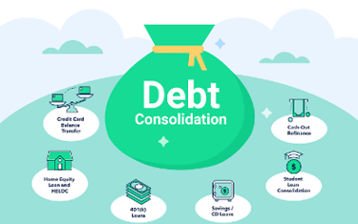
1. What is Debt Consolidation?
• Debt consolidation involves combining multiple debts into a single, manageable payment. This can simplify finances and potentially reduce interest rates.
2. Types of Debt Eligible for Consolidation:
• Credit card debt, personal loans, medical bills, and other unsecured debts are common candidates for consolidation.
Benefits of Debt Consolidation:
3. Simplified Repayment:
• Consolidation streamlines multiple payments into one, reducing the risk of missed deadlines and late fees.
4. Lower Interest Rates:
• By consolidating, individuals may secure a lower overall interest rate, potentially reducing the total amount paid over time.
5. Improved Credit Score:
• Timely payments and responsible debt management through consolidation can positively impact credit scores.
Strategies for Effective Debt Consolidation:
6. Assess Your Debts:
• Begin by creating a comprehensive list of all outstanding debts, including interest rates and monthly payments.
7. Explore Consolidation Options:
• Research various consolidation methods, including balance transfer credit cards, personal loans, home equity loans, and debt consolidation programs.
8. Compare Interest Rates:
• When considering consolidation options, compare interest rates to ensure that the new terms are favorable and result in cost savings.
9. Create a Realistic Budget:
• Develop a budget that not only accommodates consolidated payments but also allows for ongoing financial stability.
10. Seek Professional Advice:
– Consult financial advisors or debt consolidation experts to gain insights tailored to your specific situation.
Debt Consolidation Methods:
11. Balance Transfer Credit Cards:
– Transfer high-interest credit card balances to a card with a lower interest rate, often with an introductory 0% APR period.
12. Personal Loans:
– Secure a personal loan to pay off multiple debts, with fixed monthly payments and interest rates.
13. Home Equity Loans:
– Homeowners may leverage the equity in their homes to secure a loan for debt consolidation, typically with lower interest rates.
14. Debt Consolidation Programs:
– Enroll in a debt consolidation program through a reputable agency that negotiates with creditors on your behalf.
Maintaining Financial Health After Consolidation:
15. Commit to Responsible Spending:
– Avoid accumulating new debt and commit to responsible spending habits to ensure long-term financial health.
16. Emergency Fund:
– Establish and maintain an emergency fund to cover unexpected expenses and prevent reliance on credit in the future.
17. Regular Financial Check-ins:
– Conduct regular assessments of your financial situation to ensure continued progress and identify areas for improvement.
Conclusion:
Debt consolidation is a powerful strategy for regaining control of your financial journey. By understanding the process, exploring consolidation options, and committing to responsible financial habits, individuals can pave the way to a debt-free and financially secure future. Remember, the key lies in informed decision-making and consistent efforts towards financial well-being.